
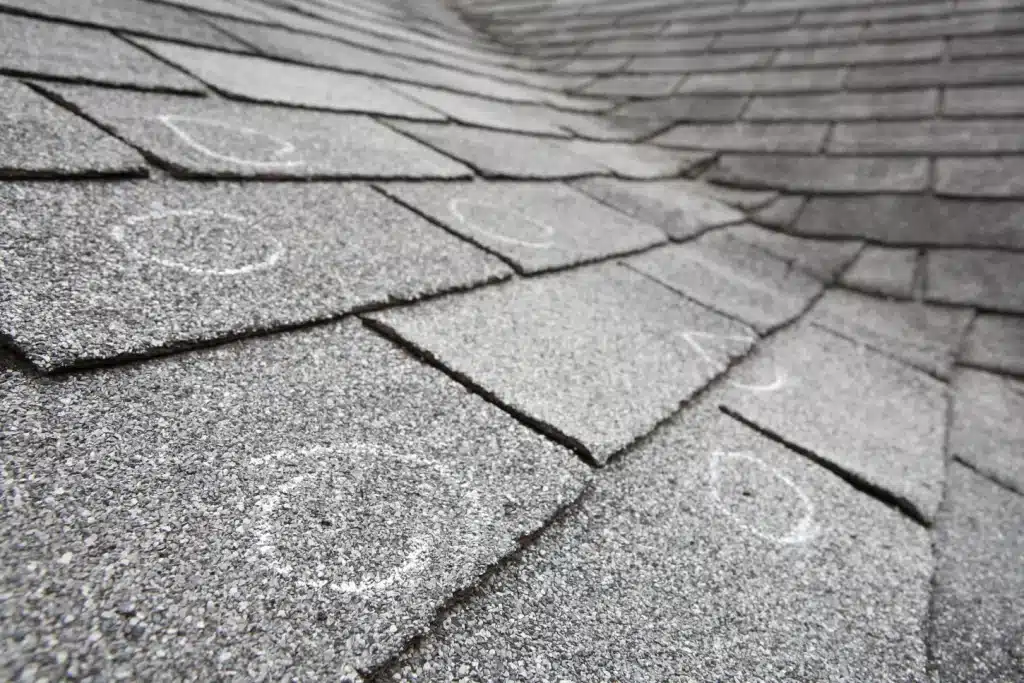
Your roof is the most vulnerable part of your home — and in Texas, it’s the part most likely to be damaged by hail, windstorms, or extreme weather. This guide explains how roof coverage works in Texas, how insurance companies evaluate your roof, what is (and isn’t) covered, and how to protect yourself from out-of-pocket surprises.
What Roof Coverage Includes in a Texas Home Insurance Policy
Most Texas homeowners insurance policies cover roof damage caused by sudden, accidental events, including:
Covered Causes of Roof Damage
- Hail
- Windstorms
- Tornado debris
- Falling branches
- Fire
- Lightning
- Vandalism
These are considered “covered perils” on a standard HO-3 policy.
If your roof is damaged due to normal wear and tear, aging, or improper installation — insurance will not pay for repairs.
Why Roof Coverage Is a Big Deal in Texas
Texas experiences more hail and windstorm claims than any other state in the country. Insurers have tightened roof underwriting guidelines, raised deductibles, and changed how roofs are covered.
👉 Wind and Hail Coverage in Texas
Texas Leads the Nation in Roof Claims
Frequent hailstorms, rapid temperature swings, and strong winds increase roof wear — and the number of claims filed.
Rising Cost of Roof Replacements
Inflation, labor shortages, and higher shingle prices mean roof claims cost insurers far more than a decade ago.
Roof Fraud & Contractor Issues
Storm-chasing roofers create claim pressure in major Texas metros, contributing to policy changes and premium increases.
Replacement Cost vs Actual Cash Value (RCV vs ACV)
How your roof is covered makes a huge difference in a claim payout.
Replacement Cost Value (RCV)
RCV means your insurer will pay for a new roof, minus your deductible.
This is the best coverage — but not all homes qualify.
Actual Cash Value (ACV)
ACV deducts depreciation based on age and condition of your roof.
This often leaves homeowners paying thousands more out of pocket.
Examples of ACV policies are becoming more common in Texas, especially for:
- Older roofs
- Wood roofs
- Homes in high-risk areas
How to Check If You Have ACV or RCV
Look for these terms in your policy declarations:
- “Roof Surface Payment Schedule”
- “ACV on Roof Surfaces”
- “Depreciated Value”
If you see them — your roof may not be covered at replacement cost.
ACV vs RCV Roof Coverage in Texas: What Homeowners Actually Get Paid
Roof Payment Schedules (A New Trend in Texas)
Many insurers now use roof payment schedules, which reduce coverage as your roof ages.
How Payment Schedules Work
A typical schedule might look like:
- 0–5 years old: 100% coverage
- 6–10 years old: 80% coverage
- 11–15 years old: 60% coverage
- 16+ years old: ACV only
This can dramatically affect your claim payout.
Why Companies Use Them
Roof payment schedules reduce the insurer’s exposure in hail-prone areas — but create more homeowner risk.
Roof Deductibles in Texas (What Homeowners Pay Out of Pocket)
Texas is one of the few states where percentage deductibles are common.
Wind & Hail Deductible
Most Texas homes have a 1% or 2% deductible.
This means:
If your home is insured for $350,000:
- 1% deductible = $3,500
- 2% deductible = $7,000
This applies to each storm claim.
All Other Perils (AOP) Deductible
Covers fire, theft, water damage, etc.
Usually $1,000–$3,000.
How Roof Age Affects Your Coverage
The older your roof, the more likely you are to see:
- ACV coverage instead of RCV
- Higher premiums
- Mandatory inspections
- Coverage limitations
- Deductible increases
Common Texas insurer rules
- Asphalt roofs older than 15 years may default to ACV
- Roofs older than 20 years may require replacement before writing a new policy
- Repeated claims may push you into ACV-only contracts
Common Reasons Roof Claims Get Denied
Insurance companies frequently deny roof claims for:
Wear and Tear
Roofs naturally deteriorate — this is not covered.
Manufacturer Defects
Improperly installed shingles or faulty products are excluded.
Maintenance Issues
Missing flashing, exposed nails, or rotting decking = homeowner responsibility.
Pre-Existing Damage
Damage documented by past inspections or underwriting notes.
Cosmetic-Only Damage
Dents to gutters, vents, or metal components may not qualify.
What To Do After a Storm (Texas Homeowner Checklist)
Immediately:
- Take photos and videos
- Check for missing shingles
- Look for hail impact marks
- Document interior leaks
- Tarp exposed areas
Avoid:
- Door-to-door storm chasers
- Signing “assignment of benefits” forms
- Contractors who promise to waive your deductible
(This is illegal in Texas)
Then:
- Contact your agent to review whether a claim makes sense
- Schedule an approved inspection
- Compare repair bids if needed
Annual Roof & Home Insurance Review
A yearly review can prevent surprises during a claim.
👉 Checklist: Texas Home Insurance Annual Review
During your annual review, check:
- Roof age listed on the policy
- Deductible amounts
- ACV vs RCV roof coverage
- Payment schedules
- Recent updates or repairs
5 Costly Roof-Related Mistakes Texas Homeowners Make
👉 Related article: 5 Costly Mistakes Texas Homeowners Make
Common mistakes include:
- Filing small claims
- Not documenting roof maintenance
- Ignoring aging shingles
- Assuming you have RCV when you don’t
- Skipping annual policy reviews
Texas Roof Coverage FAQs
Does home insurance cover roof replacement?
Yes — if caused by a covered peril like wind or hail.
Will insurance pay for a worn-out roof?
No. Wear and tear is excluded.
Does home insurance cover roof leaks?
If sudden and accidental from a covered event — yes.
If caused by age or neglect — no.
Can I choose my own roofer?
Yes, but insurer-approved contractors reduce claim friction.
Will a roof claim raise my insurance rates?
Weather claims typically do not count against you — but multiple claims may.
Get a Personalized Roof Coverage Review
Your roof is one of your home’s biggest investments.
Get a clear, personalized review of your roof coverage, deductible options, and whether you’re at risk for ACV or depreciation issues.
Request Your Home Insurance Review
More Helpful Roof & Weather Coverage Guides
Dig deeper into roof protection, severe weather claims, and Texas-specific coverage options: